Apple Tightens macOS Full Disk Access Amid AI Agent Risks
Apple will introduce stricter controls for macOS’s Full Disk Access permission, warning that powerful AI agents increase privacy risks.
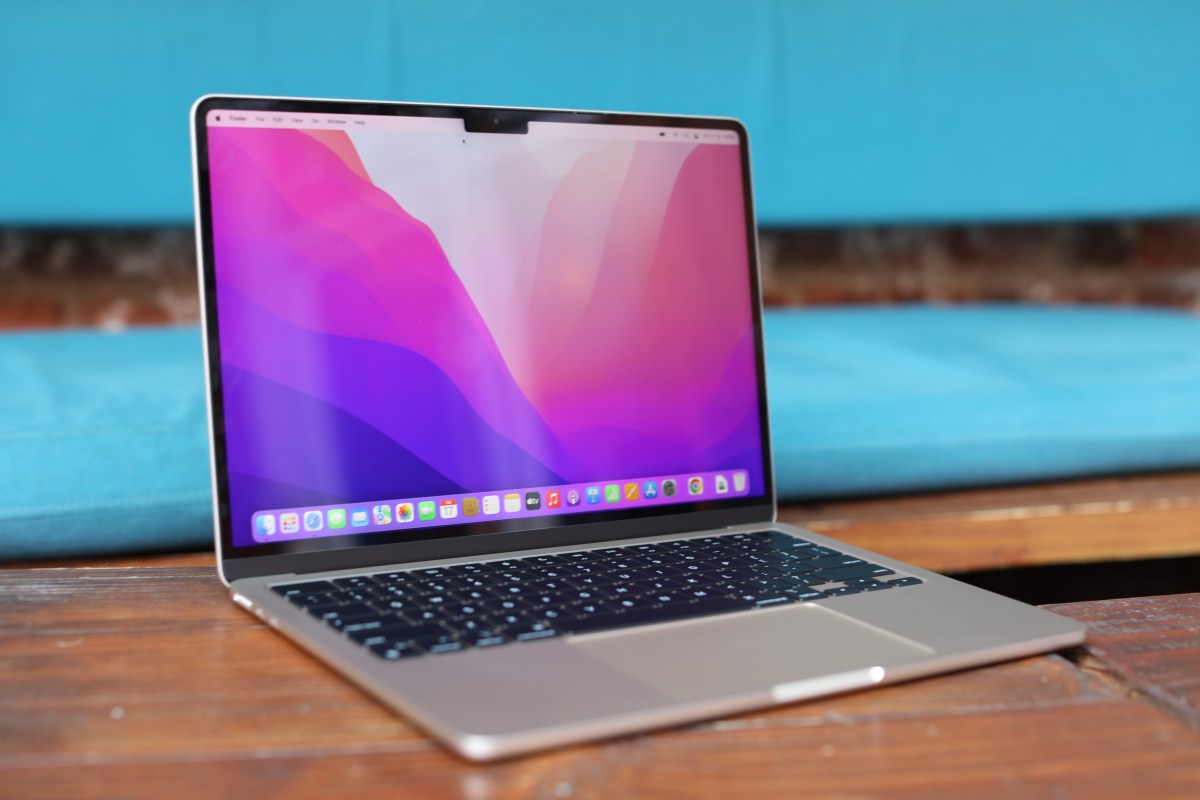
Apple has disclosed plans to reinforce the Full Disk Access permission in macOS, a move prompted by the growing capabilities of AI agents. The tech giant warns that these agents can exploit broad file system access to retrieve sensitive data such as user files, messages, email, and browsing history.
The upcoming controls aim to limit the scope of permissions granted to applications, ensuring that AI-driven tools cannot indiscriminately harvest personal information. Apple’s statement underscores a proactive stance on privacy as artificial intelligence becomes more integrated into everyday software.
While details of the implementation remain limited, the company emphasizes that the changes are designed to mitigate emerging threats without compromising user experience. Developers will need to adapt to the tighter framework, potentially revising how their apps request and manage disk access.
Industry observers note that Apple’s decision reflects a broader trend of major platforms tightening security measures in response to AI’s rapid evolution. By tightening Full Disk Access, Apple seeks to protect users while maintaining the functionality of legitimate AI applications.
The announcement was reported by TechCrunch AI on October 2, 2026.
Read also

AI Chatbots Lead Shoppers to Fake Retail Sites, Study Shows
Research finds popular AI chatbots may inadvertently guide shoppers to fraudulent online stores.

Nvidia Launches Probe into CEO Jensen Huang’s Ties to Alleged Chinese Spy
Nvidia’s board announced an independent investigation into CEO Jensen Huang’s ties with Megaspeed executive Alice Huang, who is reported to have been recruited by China’s Ministry of State Security as a corporate spy.

Apple Slashes Internal AI Budgets for Engineering Teams
Apple is dramatically lowering the funds dedicated to internal AI for its engineering divisions, as reported by TechCrunch AI.
