Code-Driven AI Illustrations Outperform Traditional Image Models
New LLMs from the second half of 2026 excel at visual reasoning, producing code‑based 2D and 3D designs that are more editable than traditional image‑output models.
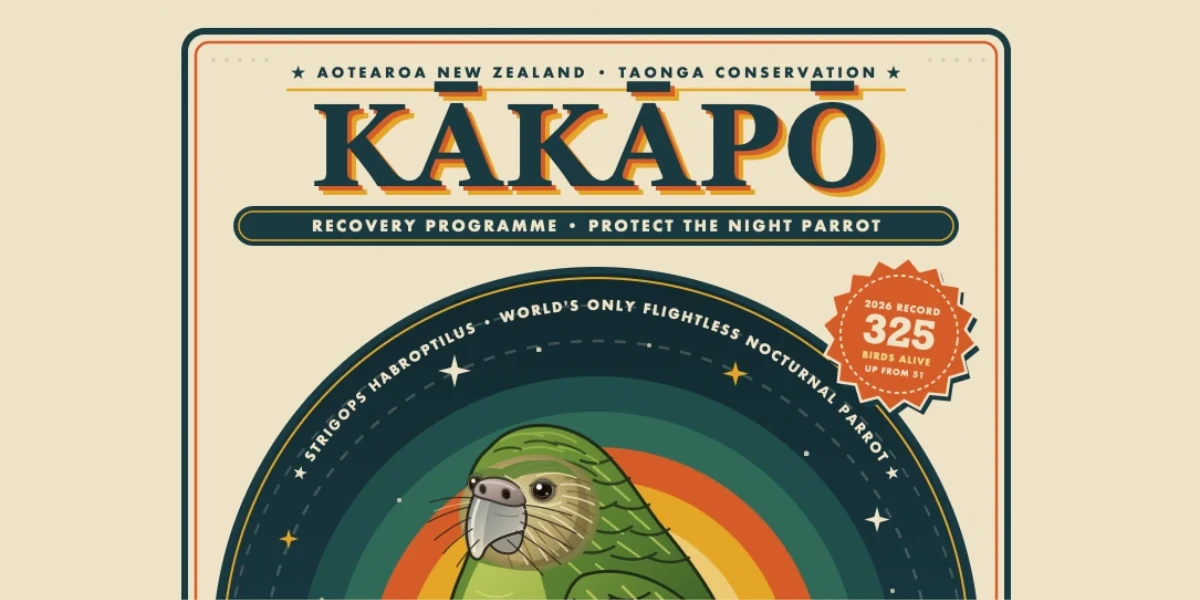
## Emerging Strength in Visual Reasoning Frontier large language models launched in the latter half of 2026 show a marked improvement in visual reasoning and creative design tasks. When prompted to generate a 2D image—or even a 3D model—these text‑output models frequently deliver results that are both functional and aesthetically appealing.
## Code‑Defined Images Enable Seamless Edits A key advantage of these newer models is that the images are defined using code. This code‑based representation allows users or the model itself to make precise edits without the inconsistencies often encountered with text‑input, image‑output pipelines.
## Gemini 4 Neon Highlights the Trend Gemini 4 Neon, noted for its 2D design capabilities, exemplifies this shift. Early tests show that its code‑driven illustrations can be refined iteratively, offering a smoother workflow for designers and developers.
## Implications for Designers The ability to generate and modify visuals through code reduces reliance on separate image generation tools, streamlining the creative process and opening new possibilities for rapid prototyping.
*Source: Simon Willison, November 28, 2026*
Read also

Even Top AI Assistants Falter at Simple Daily Tasks
A recent benchmark reveals that leading AI assistants still stumble on basic daily tasks, raising concerns about reliability and safety.

OpenAI Launches GPT‑6.2 Astra and GPT‑6.2 Sol Models
OpenAI adds two new GPT‑6.2 variants—Astra for complex projects and Sol for versatile daily use—both accessible through the API.

OpenAI Files Countersuit Claiming Apple Pressured Vendors Illegally
OpenAI countersues Apple, accusing the company of illegal vendor pressure after being sued earlier this summer.
